
Key Takeaways
- An eSIM is a digital SIM profile downloaded directly to your phone, while a physical SIM card is a physical chip inserted into your device’s SIM tray.
- For most travelers with modern smartphones, an eSIM is the fastest option since you can install it before flying and get connected the moment you land.
- Physical SIMs remain ideal for older devices or travelers who need to move a single SIM between multiple phones.
- Before purchasing your eSIM for Japan, quickly verify that your device is carrier-unlocked and eSIM-compatible.
Table of Contents
Staying connected is essential when traveling through Japan. Reliable mobile data powers your maps, translates signs in real time, checks train schedules, and keeps you connected from the moment you step off the plane. But should you choose a digital eSIM or a traditional physical SIM card? Each has strengths depending on the phone you carry and the kind of trip you are taking. This guide breaks down how both options work, so you can choose the right plan before you go.
eSIM vs physical SIM card in Japan: What’s the Difference?
Both an eSIM and a physical SIM connect your phone to a Japanese mobile network. However, they differ in formats and activation requirements.
eSIM for Japan
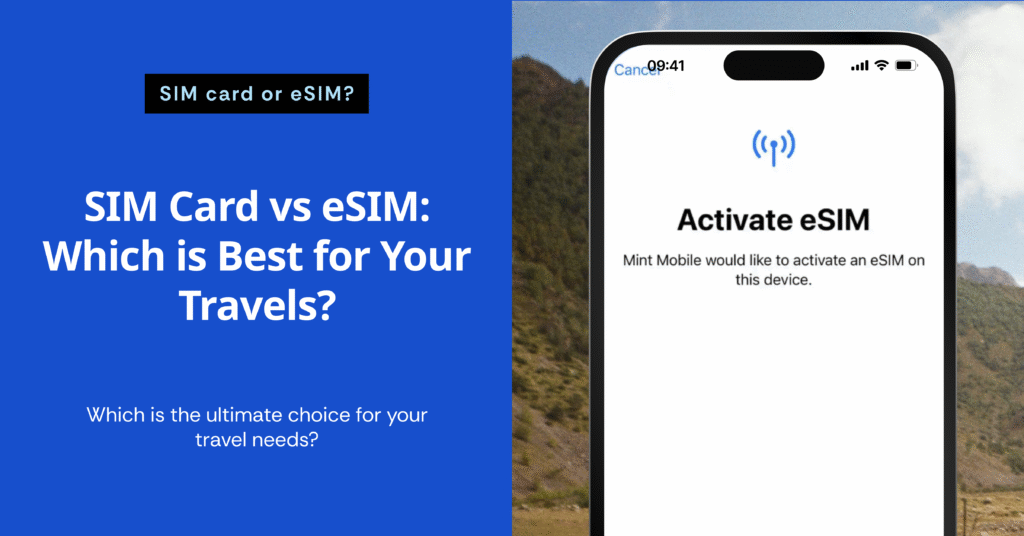
An eSIM is a digital SIM profile downloaded straight onto a compatible device, so there is no plastic card to insert. You buy the plan online, then activate it by scanning a QR code or adding it through your phone’s settings. Because the profile is embedded in the phone, an eSIM cannot be moved to another device. The upside is timing: you can install an eSIM for Japan before you leave home and connect to a local network shortly after your plane lands, with no airport counter to visit.
Physical SIM Card for Japan
A physical SIM card is a small chip that slots into your phone’s SIM tray, replacing or sitting alongside your home SIM. Most travelers buy one at an airport counter after arrival or reserve one online for pickup or delivery. To use it, your phone needs to be carrier-unlocked and able to accept the card. Some travelers like the familiar routine of a physical card, and because it can be removed, the same SIM can be used across more than one compatible device.
Japan eSIM vs Physical SIM: Which Is Better for Travelers?
Neither format is automatically better. The right choice depends on a list of factors that shape your first few days in the country.
Convenience and Setup
An eSIM is arranged before departure, so you can download and install the profile at home, test it, and land ready to browse. A physical SIM is usually bought and fitted after you arrive, which means finding a counter, checking its opening hours, and swapping the card over. For short and medium trips, many may opt for an eSIM, as they would be able to skip installation at an airport counter.
Phone Compatibility
An eSIM only works on a device that supports the technology and is carrier-unlocked. Most flagship phones released from around 2018 onward include eSIM support, including iPhones from the XS and XR onward and many recent Samsung Galaxy and Google Pixel models. Regional variants differ, and a carrier-locked phone can reject a travel eSIM even when the hardware supports it. The quickest check is to open your settings and look for an “Add eSIM” option before you buy.
Keeping Your Regular SIM
Many eSIM-capable phones support dual-SIM, which lets you keep your home SIM active for calls and texts while an eSIM handles data in Japan. That means your usual number stays reachable, and you can still receive SMS codes from your bank or other services. With a physical travel SIM, you would have to remove your home SIM to insert it, so your regular number goes offline unless your phone has a spare tray.
Cost, Data, and Trip Length
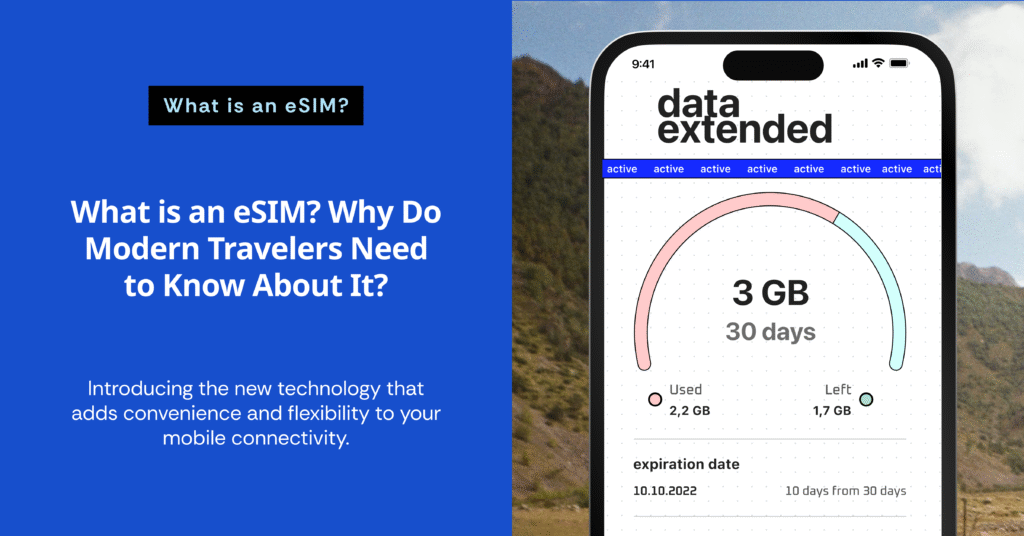
Rather than assuming one format is always cheaper, compare plans on what you actually get: the data allowance, the validity period, and how well it matches your length of stay. A short city break and a two-week trip call for different plans. Hotspot or tethering allowances vary widely between plans. Match the plan to your trip first, then compare eSIM and physical SIM options that fit.
How to Choose the Right SIM for Your Japan Trip
The decision usually comes down to a few simple questions about your phone and how you like to travel.
Choose an eSIM if You Want Convenience
An eSIM suits travelers who want to arrange connectivity before departure, avoid swapping physical cards, and get online quickly after landing. If your phone supports eSIM and is unlocked, this is usually the smoother route for a trip to Japan.
Choose a Physical SIM if You Prefer Traditional Installation
A physical SIM makes sense if your phone does not support eSIM or if you simply prefer buying and fitting a card in the familiar way. It is also handy if you want to move the same SIM between devices during your stay.
Check Your Plan Before Buying
Whichever format you pick, confirm the details that affect day-to-day use before you pay. Look at these points:
- Network coverage: Check that the plan runs on a major Japanese network so you get a reliable signal in the cities and regions on your itinerary.
- Data allowance: Estimate your daily use for maps, messaging, and social apps, then pick an allowance that comfortably covers your trip.
- Validity period: Make sure the plan stays active for the full length of your stay, with a little buffer for travel days.
- Hotspot and tethering: Confirm whether you can share the connection to a laptop or a travel companion’s phone if you plan to.
Get an eSIM for Japan Before You Travel
Arranging an eSIM for Japan before departure makes arrival easier, especially if you want maps, translation, transport information, and messaging working the moment you land. You buy the plan online, receive the setup details by email, and install the profile in advance, so there is nothing to sort out at the airport. The Global SIM offers eSIM for Japan plans across a range of data allowances and trip lengths, so you can match the plan to how you travel.
Why Choose a Japan eSIM with The Global SIM?
- Options to suit every traveler: both eSIM and physical SIM cards on leading Japanese networks with full-speed 4G and 5G.
- Flexible plans: durations from 1 to 30 days, with Unlimited, Fixed Data, or Daily Limit choices.
- Quick and easy: your eSIM QR code arrives within 15 minutes, ready to set up before you fly, with nothing to ship.
- Support you can rely on: a team fluent in Thai and English on hand throughout your trip via LINE Official and Facebook Messenger.
Buy Your Travel Plan with The Global SIM in 3 Easy Steps
- Pick the eSIM or SIM card package that fits your trip.
- Pay online through our secure checkout, open around the clock.
- Get your QR code by email straight after payment. If you opted for an eSIM, scan and install it ahead of your departure. For a full walkthrough, see our installation guide.
For better connectivity on your trip, explore your options with The Global SIM and set up your eSIM for Japan before you fly today!
References
- eSIM compatible phones: How to know if your phone is eSIM compatible? Retrieved on September 2, 2026, from https://www.androidauthority.com/phone-esim-compatible-3358781/
Frequently Asked Questions About eSIM vs SIM Card in Japan (FAQs)
Q: Should I use an eSIM or physical SIM card when traveling to Japan?
A: If your phone supports eSIM and is carrier-unlocked, an eSIM is usually the easier choice because you can set it up before you leave and connect soon after landing. A physical SIM is a good alternative if your phone does not support eSIM or you prefer buying and fitting a card on arrival.
Q: Is an eSIM better than a SIM card for tourists in Japan?
A: For most tourists on a modern phone, an eSIM is more convenient because there is no airport counter to visit and no card to swap. A physical SIM can still be the better fit for older phones or travelers who want to move the same SIM between devices.
Q: What is the difference between a Japan eSIM and a physical SIM card?
A: A Japan eSIM is a digital profile you download to a compatible phone and activate with a QR code or through settings. A physical SIM card is a chip you insert into the SIM tray. The eSIM can be arranged before departure, while a physical SIM is usually bought and fitted after you arrive.
Q: Does my phone need to be unlocked to use an eSIM in Japan?
A: Yes. Your phone needs to support eSIM and be carrier-unlocked to use a travel eSIM. A locked phone can reject a third-party eSIM even if the hardware supports the technology, so check with your carrier before you buy.
Q: Can I keep my regular SIM while using an eSIM in Japan?
A: On a dual-SIM phone, yes. You can keep your home SIM active for calls and texts while the eSIM handles data in Japan, which keeps your usual number reachable for messages and verification codes.
Q: Is an eSIM good for a short trip to Japan?
A: An eSIM is well suited to short trips because you can install it before you fly and get online right after landing, with no time spent finding and setting up a physical SIM. Choose a plan with a data allowance and validity period that match the length of your stay.